
Lifestyle Guide
How to Build a Plastic-Free Morning Routine
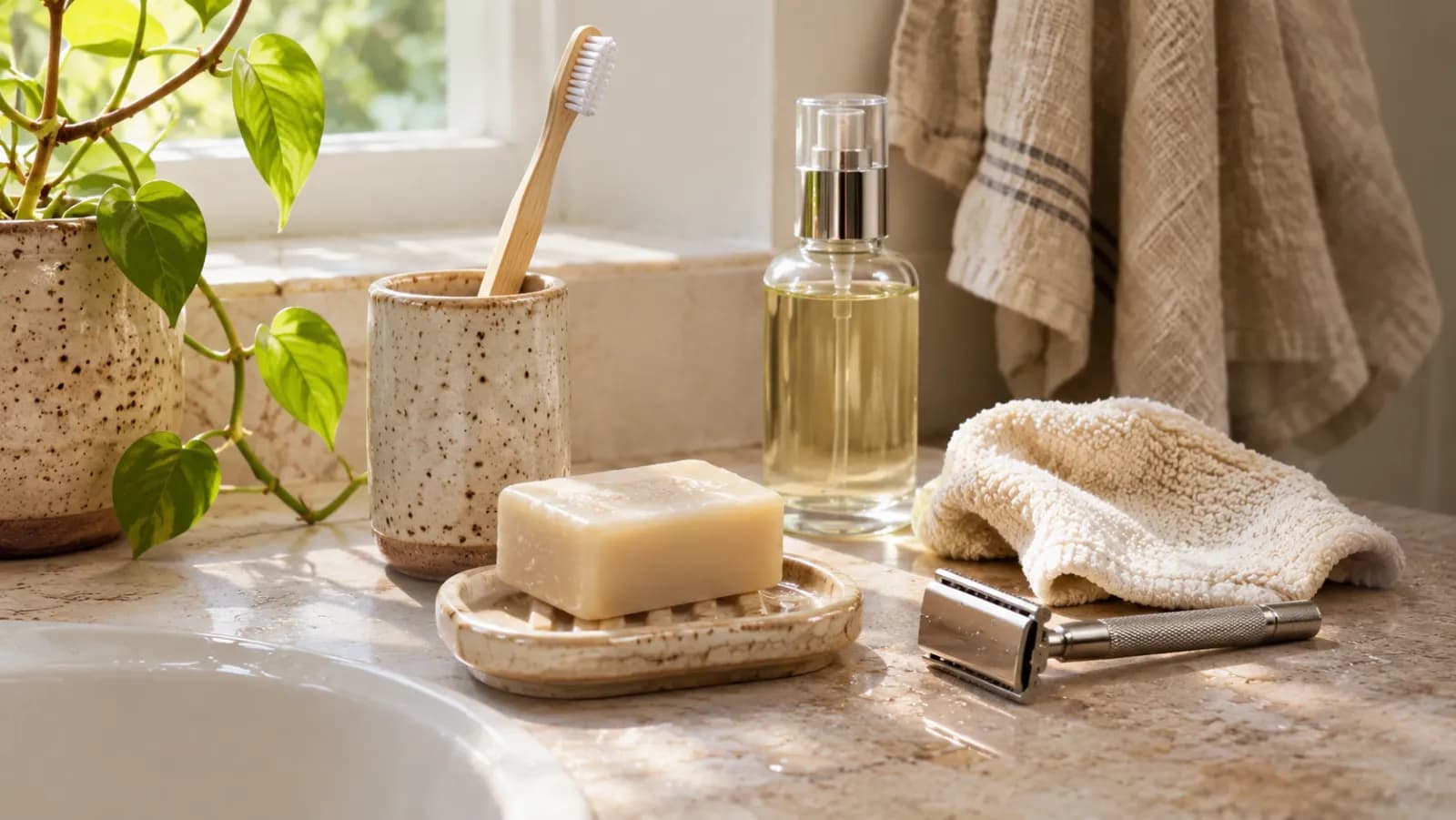
The First Hour Is the Hardest
Between toothbrush, body wash, coffee pod, and skincare, the average morning easily generates more plastic than any other hour of your day. Toothbrush, body wash bottle, plastic-wrapped tea bag, single-use coffee pod, plastic razor, deodorant tube, face cream jar, contact lens packaging. Most of it is touched once before noon, and most of it will outlive your great-grandchildren.
The good news: morning is also the easiest part of your day to fix. The objects are predictable, the swaps are well-tested, and the routine repeats, so a single thoughtful change compounds 365 times a year.
One swap, repeated 365 times, becomes a year of plastic kept out of the ocean.
This guide walks you through a complete plastic-free morning routine. You don't have to do all of it at once. Pick one swap, let it become a habit, then move to the next.
But I recycle my shampoo bottles. Doesn't that solve the problem?
Only about 9% of all plastic ever made has actually been recycled, and bathroom plastics are some of the hardest to process. The best kind of recycling is simply not creating the waste in the first place.
Step 1: Audit Your Bathroom Counter
Before buying anything, do a five-minute audit. Count the plastic items you actually use between waking up and walking out the door.
A typical morning count
- Plastic toothbrush
- Toothpaste tube (mixed plastic + aluminum, hard to recycle)
- Plastic floss container
- Plastic body wash bottle
- Plastic shampoo + conditioner bottles
- Plastic disposable razor or cartridge
- Plastic deodorant tube
- Plastic-jar moisturizer
- Plastic face cleanser bottle
Most people land between 8 and 12 items. That's 8 to 12 swap opportunities, ranked by how often you replace them. Start with the highest-frequency items first.
Step 2: Replace the Toothbrush
This is the cheapest, easiest swap and the one you'll feel best about. The average person uses 300+ plastic toothbrushes in a lifetime, none of which biodegrade.
Swap to: A bamboo toothbrush with sisal or BPA-free nylon bristles. An untreated bamboo handle can compost; how fast depends on your compost.
What to look for: FSC-certified bamboo (responsibly managed forests), no boar-hair bristles (those are animal-derived, not vegan), no formaldehyde-based glues.
→ See Why Vegan? Bamboo vs Plastic for the full breakdown of what to avoid in cheap "eco" bamboo brands.
Cost: ~$4 per brush, replaced every 3 months. Roughly the same as plastic over a year, but compostable.
Step 3: Switch to Bar-Form Bath Products
The single biggest plastic source in most bathrooms is the bottle wall: shampoo, conditioner, body wash, face cleanser. Each bottle is roughly 30g of HDPE or PET plastic. Multiply by your replacement rate, multiply by your household, and the number gets uncomfortable fast.
Swap to: Solid bar versions. Modern formulations are not the dry, stripping bars from the 90s. Current vegan bars lather richly and last at least as long as the liquid bottles they replace, often longer since you use less per wash.
Three bars cover most of the routine:
- Shampoo bar: saponified plant oils + plant-based surfactants
- Conditioner bar: cocoa or shea butter base, no animal derivatives
- Body wash bar (or soap): cold-processed, palm-oil-free
What to look for: Vegan (no honey, milk, beeswax, lanolin), palm-oil-free or RSPO-certified, no SLS if you have sensitive skin.
→ Our bath bars.
One bar replaces 2 to 3 standard 12oz bottles. That's ~90g of plastic kept out of landfill, per bar.
Step 4: Rethink Your Coffee or Tea
The morning beverage is sneaky. A pod-based coffee maker generates one plastic-and-aluminum capsule per cup: 365 per year, per drinker. A "compostable" tea bag is often heat-sealed with polypropylene plastic. Even loose-leaf tea sometimes ships in plastic-lined pouches.
Coffee swaps:
- French press, AeroPress, or pour-over: zero capsule waste, better extraction
- Whole bean coffee in compostable or refillable packaging
- If you must use a pod machine, switch to refillable stainless-steel pods + ground coffee
Tea swaps:
- Loose-leaf tea with a stainless-steel infuser
- If you prefer bags, check the brand explicitly states "no plastic in tea bag". Most don't
What to look for: Whole-bean, single-origin, fair-trade certified. Many vegan coffee brands still use dairy-based fining agents in flavored variants. Read the label on flavored or specialty roasts.
Step 5: Solid Deodorant
Deodorant is the easiest skincare-adjacent swap. Every plastic deodorant tube is 1 to 2 ounces of mixed plastic going to landfill every 1 to 2 months.
Swap to: Solid deodorant in cardboard or aluminum tin. Long-lasting, often baking-soda-free for sensitive skin, fully compostable packaging. Stick format applies the same way as any drugstore deodorant. The "glide" is identical once your skin adjusts in the first week.
What to look for: Vegan certification (no beeswax, lanolin, or tallow), aluminum-free if you prefer, fragrance-free or essential-oil-scented.
One solid deodorant tube = 1 to 2 plastic sticks avoided per year per person. Across a family of four, that's 6 to 12 tubes kept out of landfill annually.
Step 6: Solid Skincare
Skincare is the deepest end of the plastic pool: small jars, mixed materials, often non-recyclable pumps and droppers.
Easiest wins: Solid moisturizer bar or face balm in glass jar with metal lid. Glass is endlessly recyclable; plastic pump-dispensers almost never are.
Long-term: Refillable face serums. Buy the dispenser once, refill from a pouch or glass bottle.
What to look for: Vegan certification (no beeswax, lanolin, carmine, collagen, or honey), recyclable or compostable packaging, no microplastic exfoliants (polyethylene, nylon-12).
Step 7: The Razor
Older EPA estimates put it at about 2 billion disposable razors a year in the US, and that number is likely higher today. Each one is a composite of multiple plastics, glued metal, and rubber, practically impossible to recycle even when you try.
Swap to: A safety razor (stainless-steel handle + replaceable blades) or a bamboo-handled razor with replaceable cartridges. The learning curve is 1 to 2 shaves; after that, many people like it better.
Adjacent check, shaving cream: Many "natural" shaving creams still contain lanolin or gelatin. Swap to a solid shaving soap bar or a vegan shaving cream in recyclable packaging at the same time you upgrade the razor.
Cost story: Safety razor is ~$30 upfront, blades are ~$0.10 each, so it can pay for itself within months against cartridges.
Used blades: never put loose blades in a recycling or trash bin. Keep them in a blade bank or a sealed metal tin, then take it to a scrap metal recycler or a mail-in blade program.
By The Numbers
The Quick-Start Version
If reading this list felt like a lot, here's the 30-day starter plan:
| Week | Swap | Cost | Habit-builder |
|---|---|---|---|
| 1 | Bamboo toothbrush | ~$4 | Replace at next brush change |
| 2 | Shampoo bar | ~$12 | Use up old bottle, then switch |
| 3 | Solid deodorant | ~$10 | Apply same way as a stick |
| 4 | Loose-leaf tea or whole-bean coffee | ~$15 | Brew at home, batch on weekends |
Total spend: ~$41. Plastic items eliminated from your annual rotation: 8 to 10. Bottles kept out of landfill over a year: ~20.
Common Questions
Won't this cost a fortune to replace everything at once?
You don't replace it all at once. Use up what you already own first. Throwing away half-full plastic bottles defeats the purpose. Replacing your four highest-frequency items as they naturally run out is about $41 total.
Do the bar and solid versions actually work as well as what I use now?
Modern vegan bars lather richly and last at least as long as the bottles they replace. A safety razor takes one or two shaves to get used to, then many people like it better. The swaps aren't a downgrade. They're usually an upgrade.
Why This Matters
A plastic-free morning isn't about purity. It's about removing the most replaceable plastic from the most repetitive part of your day, the part where habit makes the choice for you.
Every routine you set up plastic-free is one fewer decision to make and one fewer purchase that quietly funds the plastic supply chain.
The bathroom is the easiest room to start with because the objects are small, the alternatives are mature, and the swap moments (running out of toothpaste, finishing a shampoo bottle) are already built into your year.
Start with one. Let it stick. Move to the next.
Related Guides
- Why Vegan? Bamboo vs Plastic: The Hidden Microplastic Crisis
- Reading Labels: What Those Ingredient Codes Actually Mean
- Switching to Vegan: A 30-Day Guide for Beginners
Build Your Routine: Editor's Picks
If you're starting this week, here's the curated starter list from this guide:
| Pick | Why | Link |
|---|---|---|
| Bamboo toothbrush | Step 2 staple: same yearly cost, zero plastic legacy | |
| Shampoo + conditioner bar set | Replaces 4 to 6 plastic bottles a year | Shop shampoo bars |
| Solid deodorant (cardboard tube) | Easiest "next swap" after toothbrush | Shop deodorant |
| French press + whole-bean coffee | 365 single-use pods → zero | |
| Safety razor (stainless steel) | One-time $30, zero plastic forever |
From our shelf: White Orchid Ginseng Organic Shampoo Bar, Organic Olive Oil Castile Soap, Ginger Lemongrass Organic Deodorant, Lavender Chai Organic Lotion Bar, Vegan Mint Floss Refills, 2 x 30m spools
More from the Knowledge Hub